The debate between chat and phone support is over. The data has spoken.
73.3% of online adults now prefer messaging as their primary way to communicate with a business. That is not a niche preference or a generational quirk. It is the majority of your customers, across age groups, industries, and geographies, choosing text over talk — every single time.
Meta commissioned research firm Kantar to survey 11,056 online adults aged 18 to 64 across 22 global markets. The result is the State of Business Messaging 2026 report, one of the most comprehensive studies ever conducted on how people want to interact with businesses. What it reveals will reshape how you think about customer communication strategy.
This article breaks down 30+ of the most important business messaging statistics from that report, organized into eight themes that trace a complete picture: why messaging has become the default, what it costs to ignore it, and what the best brands are doing to win with it.
Messaging Is the New Default Channel
The shift from phone and email to messaging is not incremental. It is structural.
79.8% of online adults agree that messaging is a quick and easy way to interact with a brand. That is nearly four in five people who have already made up their minds about which channel delivers the best experience. 72.9% say they find messaging convenient compared to other contact options, and 71.0% explicitly prefer messaging over calling when they need to reach a business.
These numbers, drawn from the Kantar survey, reflect a behavior shift that has compounded over years of messaging app adoption. WhatsApp alone now has over 2 billion active users. When people communicate with friends and family through messaging all day, every day, the expectation naturally extends to businesses. Messaging is not an alternative channel anymore. It is the primary channel.
39.2% of respondents cited convenience relative to other channels as their top reason for preferring messaging. Convenience is not a soft preference — it is a decision driver that determines whether a customer reaches out at all, completes a purchase, or quietly moves on to a competitor.
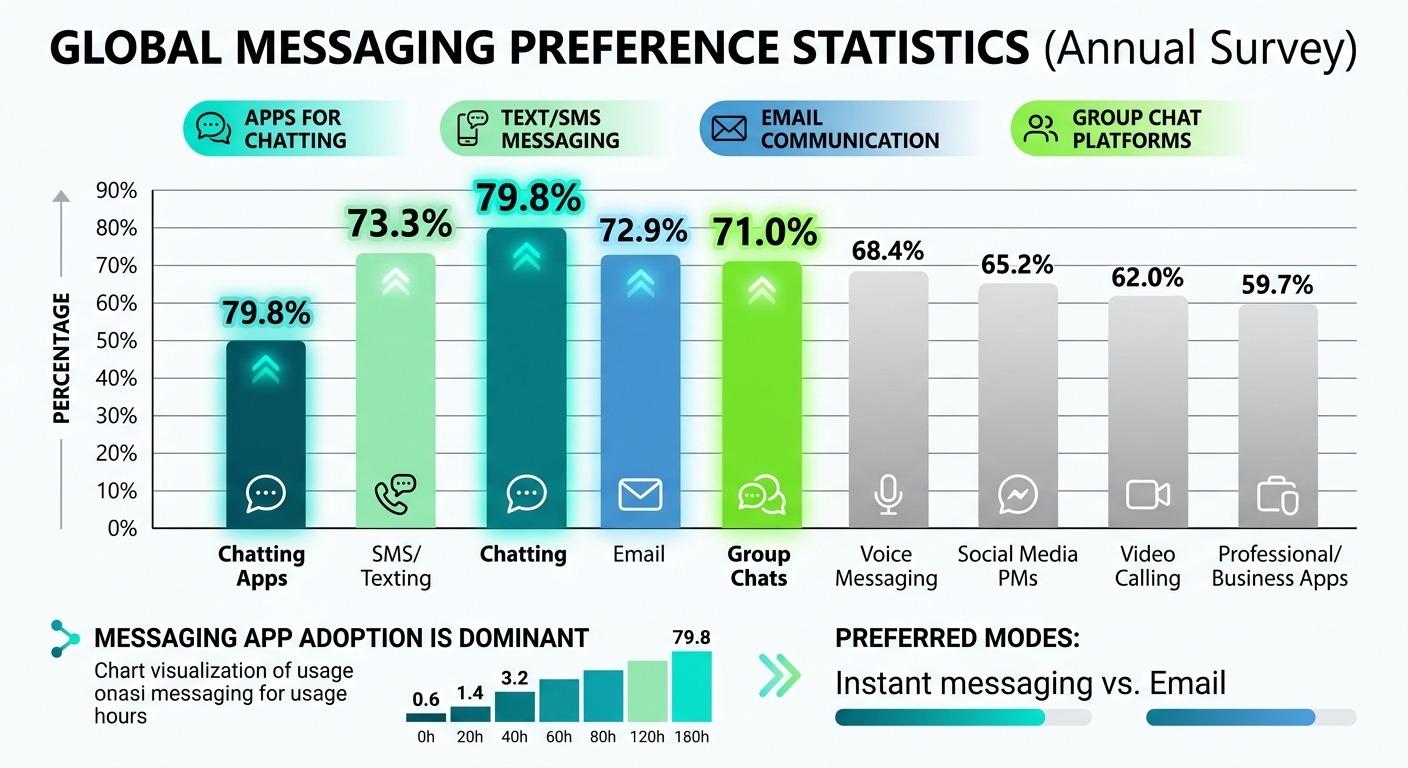
For businesses still treating messaging as a secondary support channel — something to bolt on after phone and email — these numbers should prompt an immediate strategy review. Your customers have already made the switch. The question is whether your business has.
The Frustration Tax of Legacy Channels
Every time a customer picks up the phone and gets placed on hold, that experience leaves a mark. Most businesses underestimate how costly that mark is.
69.0% of online adults say waiting on hold is frustrating and a waste of time. Two-thirds of your customers are walking away from phone calls with a negative emotional residue — before they have even spoken to anyone. That frustration transfers directly to how they perceive your brand.
The Kantar survey also found that 66.8% of people feel frustrated when a business does not offer messaging as a contact option. This is the frustration of absence. Customers who know messaging is possible elsewhere — and who expect it — experience a genuine friction point when a brand forces them onto legacy channels. That friction erodes trust, reduces satisfaction scores, and increases churn.
Think about the math. If nearly 70% of your customers hate hold times, and nearly 67% feel frustrated by the absence of messaging, then every day your business runs phone-first support is a day you are absorbing a compounding satisfaction penalty. The cost of not having messaging is not hypothetical. It shows up in NPS scores, in support ticket volumes, and in lost customers who do not bother complaining — they just leave.
69.9% of respondents also said they feel frustrated when they receive irrelevant messages from a business. This data point is important because it frames the standard. Customers have accepted messaging as a channel, but they expect it to be used well. Irrelevant, untargeted communication in a messaging channel carries the same penalty as a bad hold experience — just delivered faster.
Conversational Commerce Is Exploding
The business case for messaging extends well beyond support. It reaches into revenue.
72.4% of online adults say they are more likely to purchase from brands that offer messaging. That is not a soft brand preference — it is a direct purchase intent signal. When you make it easy for customers to ask questions, browse options, and complete transactions through a messaging interface, you remove friction from the buying process at every stage.
The transaction enjoyment rates from the Meta State of Business Messaging 2026 report reveal just how engaged customers are when commerce happens in chat. 91.0% of people who asked questions about a product through messaging enjoyed the experience. For deals and offers, the enjoyment rate is 89.7%. For requesting a quote, 89.6%. These are not passive interactions — they are high-intent, high-satisfaction moments that happen before the customer has spent a single dollar.
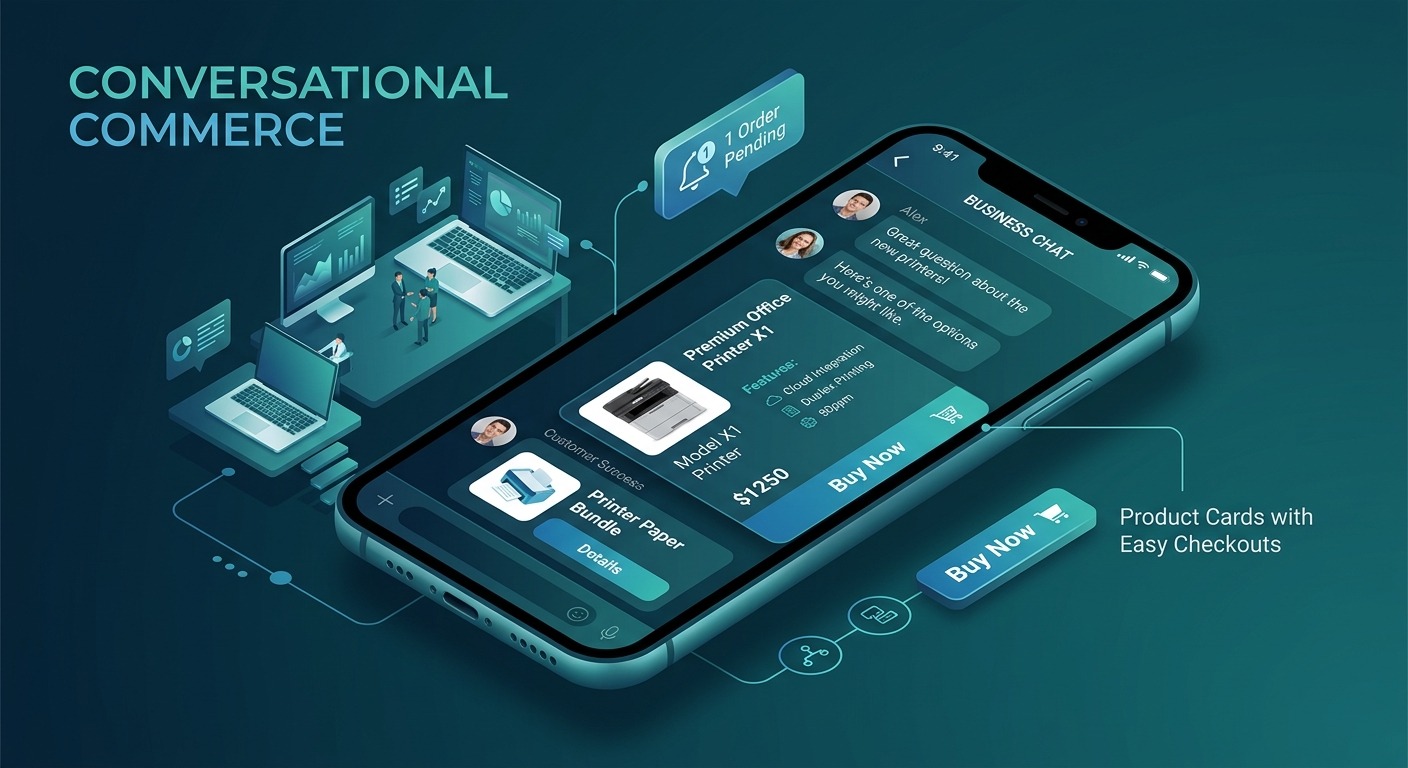
At the purchase stage, the enjoyment rates remain remarkably high. Making a reservation earns a 91.3% enjoyment rate. Booking appointments reaches 90.1%. Even transactional activities like authorizing a payment (87.0%) and paying bills (86.6%) score well above average satisfaction benchmarks for traditional channels.
3 out of 4 online adults value personalized messages about products, services, discounts, and sales delivered through messaging. This signals that customers are not just tolerating commercial messaging — they actively welcome it when it is relevant. Conversational commerce is not a future state. It is happening now, and the brands building messaging infrastructure today are the ones capturing this revenue.
Trust Is the Foundation Everything Else Builds On
High engagement rates and purchase intent statistics only matter if customers feel safe enough to act on them. Trust is not optional in business messaging — it is the precondition.
79.3% of online adults say they are more likely to message a business when they are confident the brand is legitimate. Nearly eight in ten customers perform an implicit trust check before engaging. If your messaging presence lacks the signals of legitimacy — verified sender identity, consistent branding, appropriate context — that 79.3% does not convert. They read, hesitate, and close the thread.
The Kantar survey found that 74.6% of people trust a business more when they can exchange messages directly with it. Direct messaging builds a different quality of trust than a contact form or a generic support email. It is personal, responsive, and human-scaled. When a customer can message your business the same way they message a friend — and get a real, relevant reply — that experience compounds into long-term brand trust.
73.8% of respondents view messaging as more private than email or SMS. Privacy perception matters enormously in industries like healthcare, finance, legal services, and e-commerce. Customers who feel their conversations are private are more willing to share information, ask sensitive questions, and complete high-value transactions. Messaging platforms with end-to-end encryption, like WhatsApp Business, score significantly higher on privacy perception than alternatives.
Authentication use cases also show strong messaging preference. 40.4% of online adults prefer receiving one-time passwords via messaging rather than email or phone calls. For businesses in banking, fintech, and e-commerce, this preference has direct implications for OTP delivery strategy and the conversion rates of authentication flows.
Personalization Creates Connection
Customers are willing to engage with businesses through messaging, but they have a clear expectation about how that engagement should feel.
75.1% of online adults say they want to communicate with businesses the same way they communicate with friends and family. This is the defining expectation of the messaging era. It does not mean casual language or informal tone — it means responsive, personal, and contextually aware communication. It means the business knows who you are and speaks to your situation, not to a demographic segment.
The inverse of personalization is equally instructive. As noted above, 69.9% of people feel frustrated when they receive irrelevant messages from a business. Irrelevance is not neutral — it actively damages the relationship. A poorly targeted promotional message in a messaging thread can undo the goodwill built through multiple successful customer support interactions.
42.2% of respondents said they find value in preserving conversation history across interactions. This data point points to a customer expectation that messaging should function as a continuous relationship record, not a series of disconnected tickets. When a customer picks up a conversation where they left off — without having to re-explain their situation — that continuity signals that the business treats them as a person, not a case number.
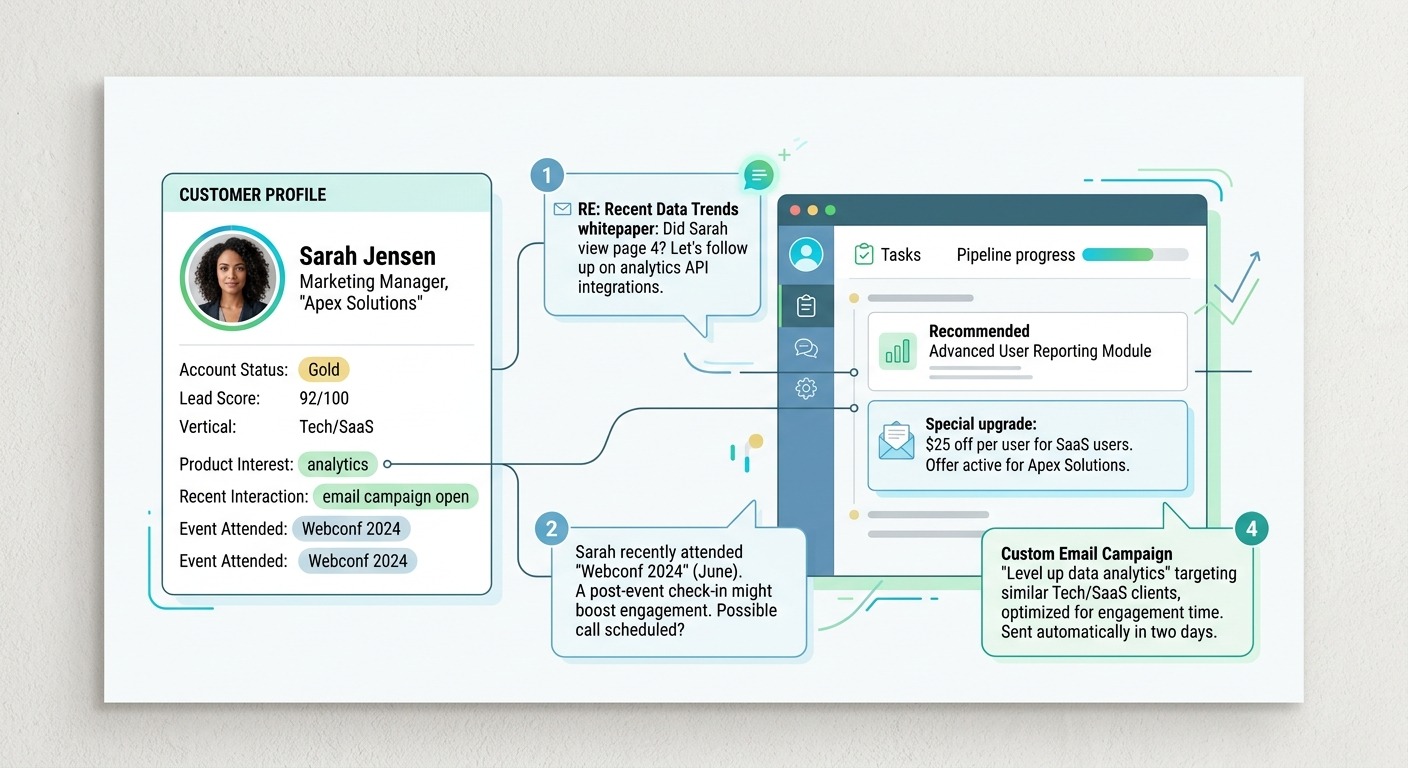
For businesses building messaging programs, these statistics translate directly into platform requirements. Conversation threading, customer context retention, segmentation for targeted campaigns, and integration with CRM data are not premium features — they are the baseline for meeting customer expectations.
AI Chatbots: From Skepticism to Standard
The debate about whether customers accept AI in messaging has been resolved. They do — with conditions.
67.7% of online adults agree that getting a response from an AI chatbot is helpful. The majority of customers no longer view AI as a poor substitute for human support. When an AI chatbot answers a question accurately and quickly, customers rate that experience positively — regardless of whether a human was involved.
67.4% agree that AI-powered chatbots will be useful in the future, which reflects both current acceptance and forward optimism. Customers are not merely tolerating AI in their messaging interactions — they are developing expectations around it.
The most actionable data point for business operators is this: 42.9% of online adults say quick 24/7 responses from AI would improve their messaging experience. Nearly half of your customers want coverage outside business hours. They want answers at 11 PM and on Sunday mornings. They do not want to wait until Monday. AI makes this possible without proportional cost increases.
The Kantar survey data reinforces a hybrid model as the ideal architecture. AI handles high-volume, repeatable queries — product questions, order status, appointment scheduling, FAQs — while human agents step in for complex or sensitive situations. The 69.0% of customers frustrated by hold times are the same customers who would accept an immediate AI response for most of their interactions. The goal is not to replace the human conversation — it is to ensure no customer waits unnecessarily for one.
End-to-End Customer Journeys in One Thread
One of the most powerful arguments for messaging infrastructure is that it covers the entire customer lifecycle. Pre-purchase, purchase, post-purchase — all of it can happen in a single, continuous thread.
The Meta State of Business Messaging 2026 report breaks transaction enjoyment rates into three stages, and the consistency across all of them is striking.
At the pre-purchase stage, customers who asked product questions through messaging reported a 91.0% enjoyment rate. Hearing about deals and offers was enjoyed by 89.7% of respondents. Requesting a quote returned 89.6% satisfaction. These interactions represent the discovery and consideration phases of the buying journey — historically dominated by search and email — now happening inside a messaging thread.
At the purchase stage, making a reservation had a 91.3% enjoyment rate, the highest of any transaction type in the survey. Booking appointments came in at 90.1%. Shopping and buying something scored 87.5%. Even banking transactions, which might seem high-stakes, earned an 84.7% enjoyment rate when conducted through messaging.
The post-purchase numbers are equally strong. Receiving order updates through messaging earned a 91.8% enjoyment rate — the single highest score across all transaction types in the report. Customer support interactions were enjoyed by 90.2% of respondents. Providing feedback scored 90.6%. Even arranging a return, a notoriously friction-heavy interaction, earned 87.3% enjoyment via messaging.
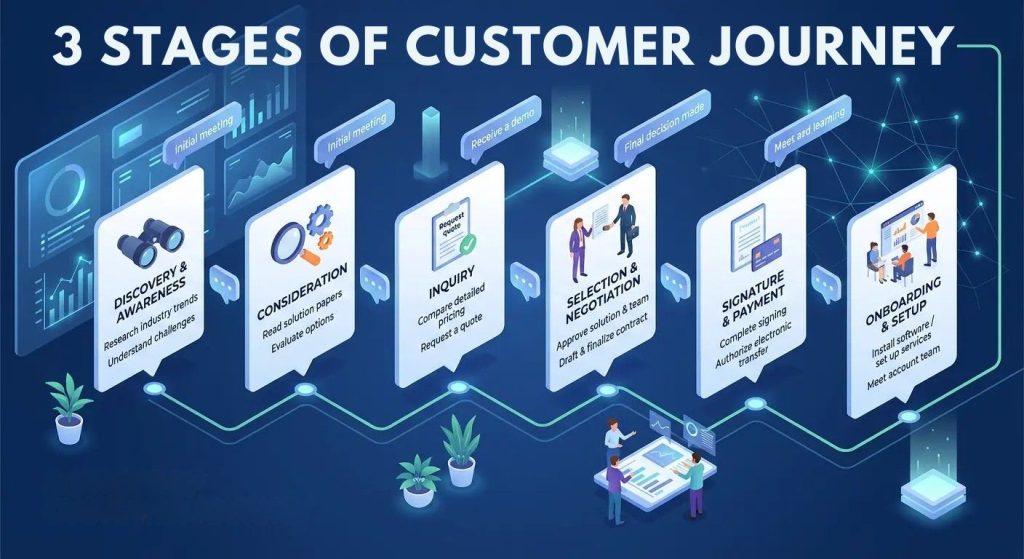
What these numbers reveal is that customers do not want separate channels for separate parts of the journey. They want one thread that follows them from first question to final resolution. Messaging makes that possible. Businesses that deploy messaging as a full-journey channel — not just a support afterthought — unlock engagement at every stage where revenue is at stake.
Real-World Brand Results That Back the Data
The survey statistics describe what customers want. The brand case studies demonstrate what businesses get when they deliver it.
Frávega, an Argentine electronics and appliance retailer, built a WhatsApp Business campaign and measured the results against email performance. The outcome was definitive: a 5x higher click-through rate than email, a 1.7x higher open rate, and 1.9x more revenue per recipient. For a brand operating in a competitive retail environment, those are not marginal improvements — they are transformational changes to the economics of customer outreach.
Bank Rakyat Indonesia (BRI) deployed a WhatsApp-based AI assistant to handle customer inquiries at scale. The results from the Kantar report highlight three outcomes: an 18-point increase in CSAT score, 38% of total inquiry traffic handled by the AI assistant, and 33% annual cost savings. BRI demonstrates the financial case for the hybrid AI-plus-human model — better customer satisfaction at lower operational cost.
Chedraui, a Mexican grocery and retail chain, turned to WhatsApp for both authentication and marketing communications. The results outperformed traditional channels across every metric: a 98% delivery rate for authentication messages (higher than SMS), a 74% open rate for marketing messages (higher than email or SMS), and a 3.8x ROI attributed to WhatsApp versus comparable email and SMS campaigns.
Meta’s own OTP experience on WhatsApp demonstrates the authentication opportunity. After migrating account recovery to WhatsApp, Meta observed a 20% increase in account recovery success on Instagram and an 11% increase on Facebook. A 9% increase in new account creation on Instagram was also attributed to the change. For any platform where account creation and recovery is a funnel step, these are significant conversion gains.
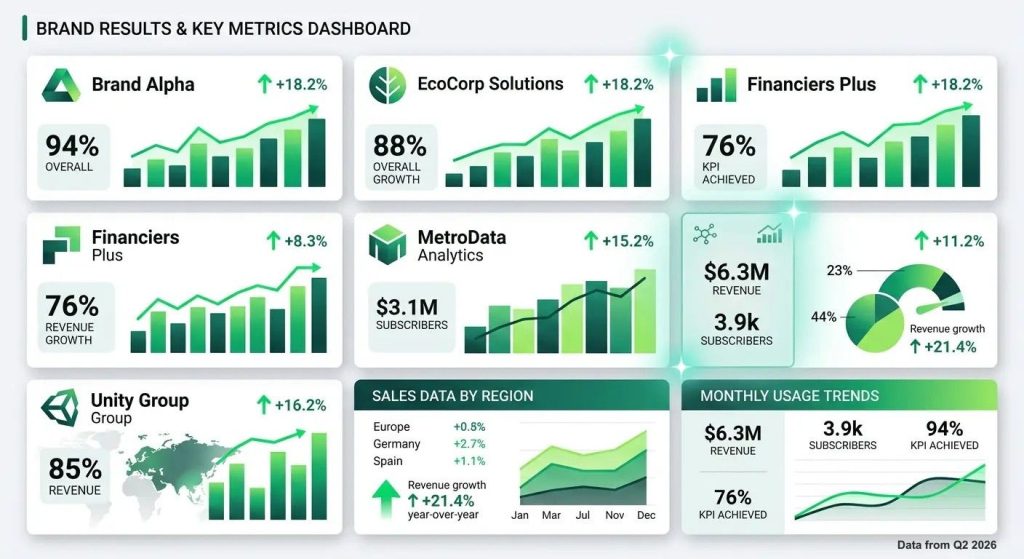
These case studies span retail, banking, grocery, and platform industries. They cover different geographies and different use cases. The consistency of results across all of them points to a structural advantage — not a tactical one.
What These Statistics Mean for Your Business in 2026
The aggregate picture from the Meta State of Business Messaging 2026 report is clear. Messaging is not an emerging trend or an experimental channel. It is the dominant preference of the majority of your customers, it drives measurable revenue impact, it builds trust at scale, and the brands that have committed to it are reporting results that far exceed what traditional channels deliver.
Here is what the data demands in practice.
Audit your current contact channels. If phone and email are your primary touchpoints, you are operating against the preference of 73.3% of your customers. The 66.8% who feel frustrated when messaging is unavailable represent lost engagement — and likely lost revenue.
Build for the full journey, not just support. The transaction enjoyment rates across pre-purchase, purchase, and post-purchase stages show that customers want messaging at every stage. Confining it to a support widget misses most of the opportunity.
Deploy AI strategically, not as a cost-cut. 42.9% of customers want 24/7 AI response capability. That is a customer expectation, not a convenience feature. A well-configured AI layer improves satisfaction while reducing cost — as BRI’s 18-point CSAT gain and 33% cost savings demonstrate.
Personalize or lose the relationship. 69.9% of customers are frustrated by irrelevant messages. Segmentation, conversation history, and CRM integration are not optional enhancements — they are the minimum standard for running a messaging program that retains customers rather than burning them.
Measure what matters. Frávega, BRI, Chedraui, and Meta all ran controlled comparisons against their previous channel performance. The ROI case for messaging is not assumed — it is measured. Build the measurement framework from day one.
If you are ready to build a messaging infrastructure that covers the full customer journey — from first contact to post-purchase loyalty — ChatMaxima gives you the tools to do it. From WhatsApp Business API integration to AI chatbot deployment and multi-channel campaign management, the platform is designed for exactly the use cases the Kantar data describes.
Explore ChatMaxima’s integrations to see how it connects with your existing CRM, e-commerce platform, and support stack. The businesses in the case studies above did not change their entire operation to get results — they added the right messaging layer on top of what they already had.
The 11,056 adults in the Kantar survey have told businesses exactly what they want. The only remaining question is whether your business will meet them where they are.